

Forza Horizon 6 Review: The Best Racing Game You’ve Already Played
The reliable jewel in Microsoft's crown returns, offering a peerless but overly familiar open-world driving experience — with a bafflingly-tame take on Tokyo.

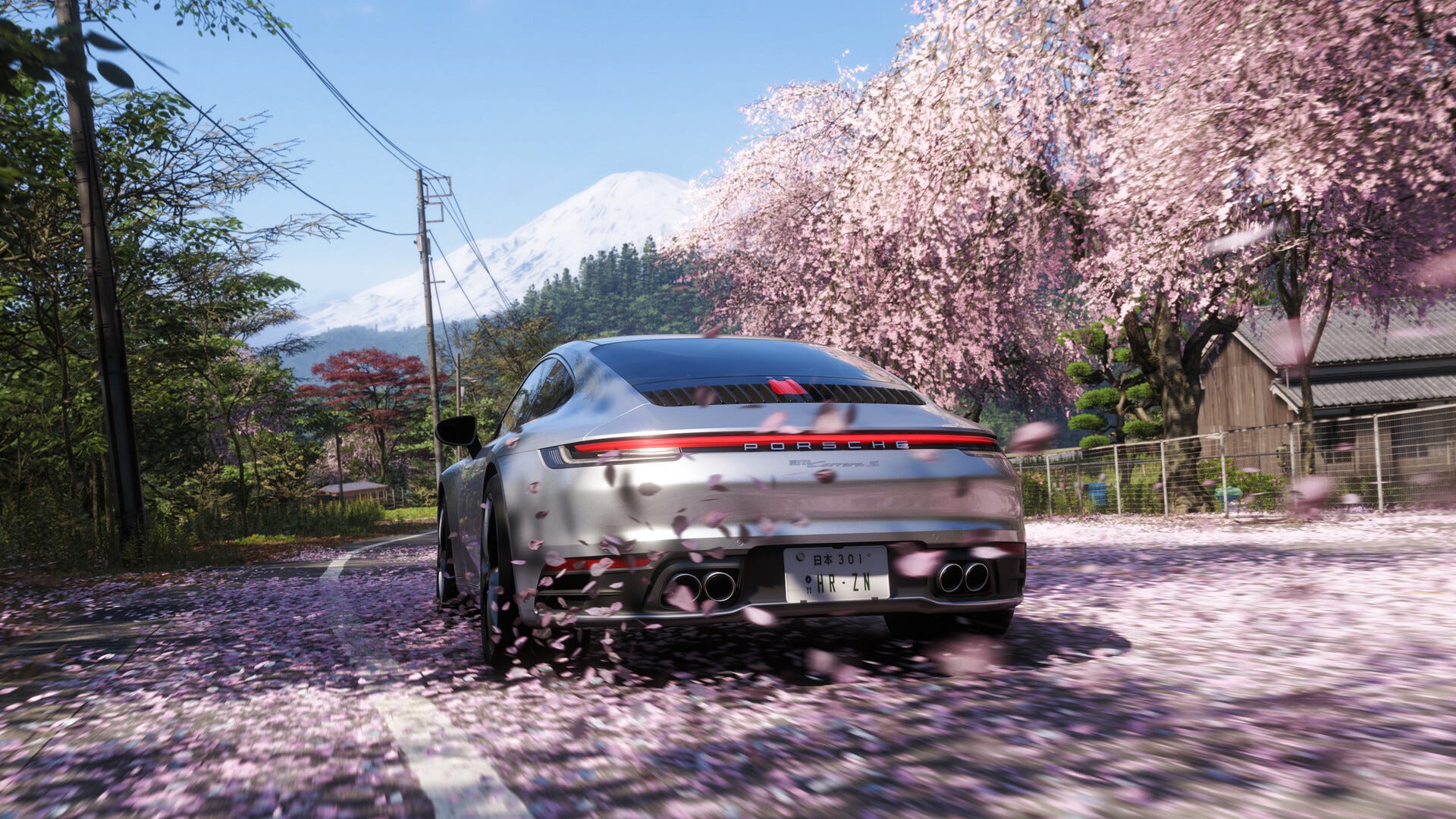
When times are difficult and strange, I can’t blame anyone for feeling sated by what is safe and reliable, so, to get it out of the way for those of you who were already half-convinced anyway, Playground Games has comfortably retained the open-world arcade racing crown with Forza Horizon 6. By deploying the same formula for over a decade, the series reached a comforting zenith long ago, and there isn’t much ambition here to fix a formula that isn’t broken.
If you can put up with the sickly-positive writing and dated festival set dressing, there’s nothing stopping you from sinking tens of hours into the studio’s latest effort. The menus and progression framework are the same, and the moment-to-moment driving is excellent. This time around, you can peel through chunks of Japanese countryside in a Koenigsegg Jesko, flanked by Mount Fuji and Tokyo Tower, crushing your way through Bonus Boards as Infohazard by Ninajirachi blares out of the speakers. For many people, and for me, many times during this review period, that was more than enough to distract me from the formula fatigue. I was eating my junk food and loving it.
For the uninitiated, Forza Horizon is the best of a dwindling bunch of open-world racing series in the AAA space, with Playground Games establishing a new gameplay standard and sense of production value that has comfortably routed The Crew, Test Drive Unlimited and Need For Speed into a challenging retirement. I can imagine the kind of futile conversations that arise when a publisher tries to envision developing a new contender and is staring down the barrel of both this and Grand Theft Auto VI at the end of the year. In this economy? And while I still prefer Forza Horizon 3’s Australia, Forza Horizon 6’s Japan is one of the stronger settings in the series, even if that comes with some important caveats.
Tokyo Drifting Into Pole Position
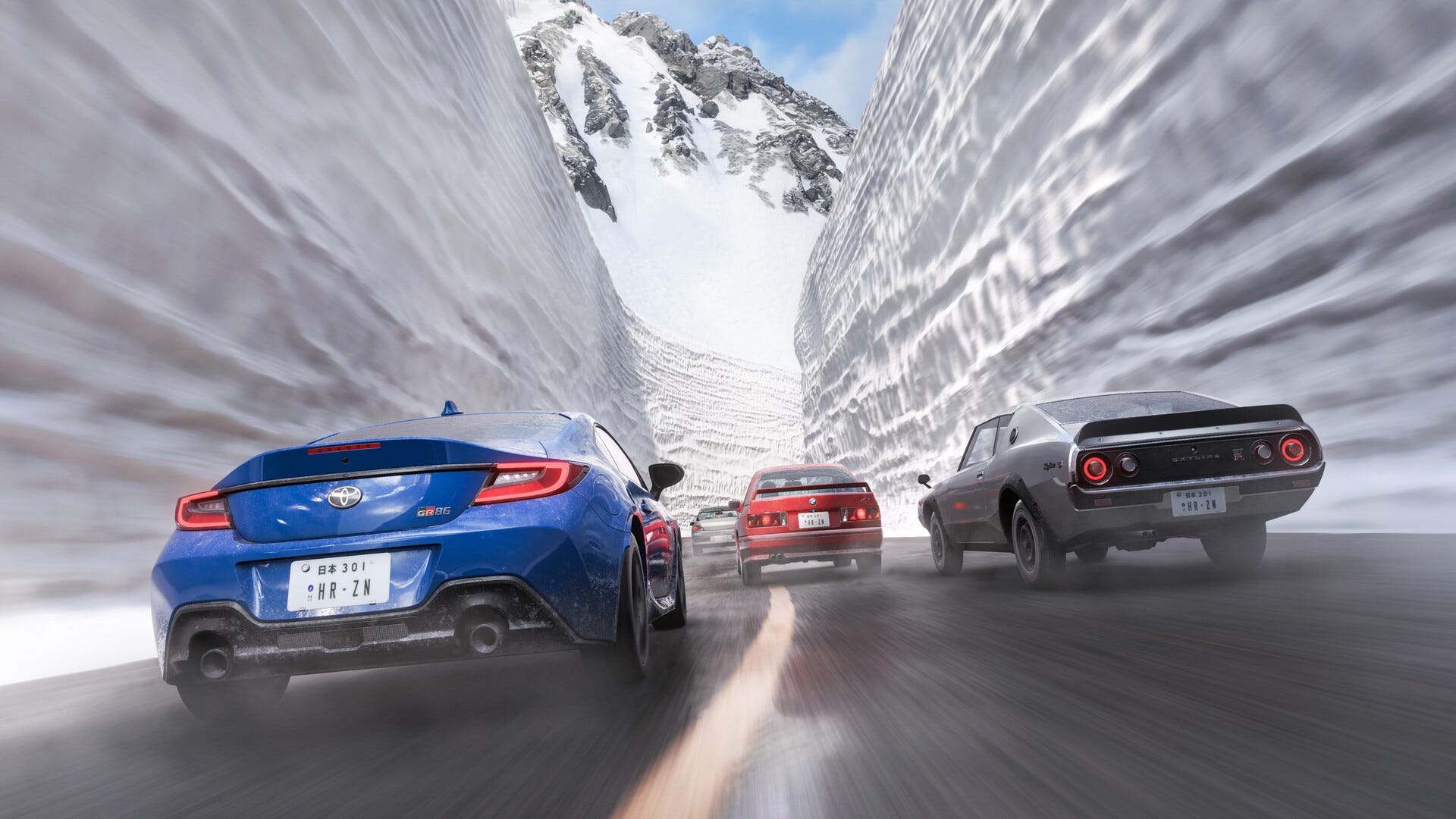
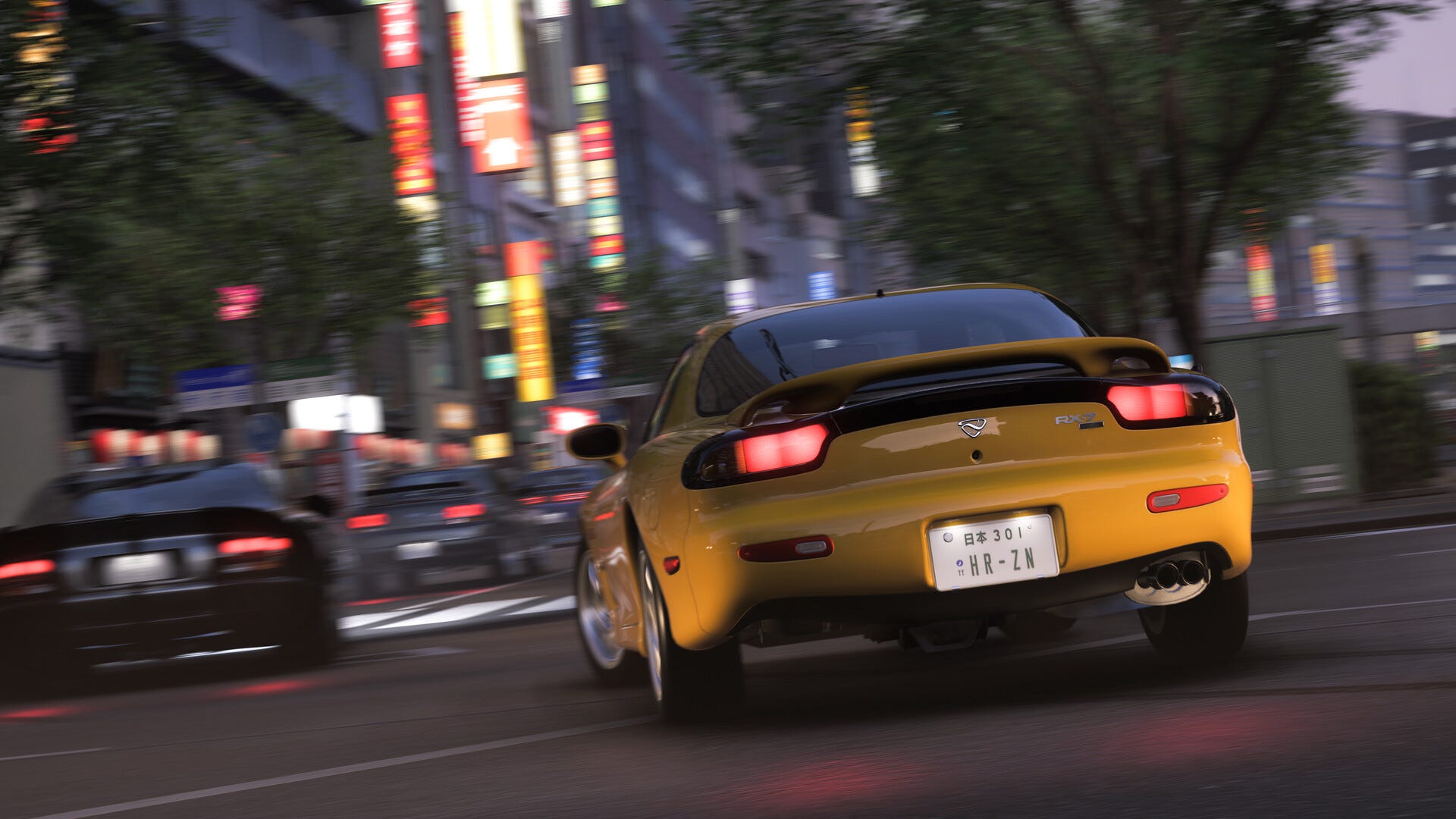
Due to a disappointing lack of real-world branding or, failing that, any charming cultural details, Tokyo City is, weirdly, the weakest part of this package. It’s got absolutely no vibe or bustle, and I live here, so I can say that. Thankfully, there’s so much going on elsewhere that it helps to mitigate the more sauceless elements of this simulacrum — one where a konbini is egregiously referred to as a corner shop. When you’re chasing wristbands, the game does well to bounce you between an iconic selection of spots. I thoroughly enjoyed navigating Japan’s vicious mountain switchbacks, hunting for Treasure Cars near idyllic temples and waterfalls, and trying not to slam into the icy walls of Tateyama Kurobe Alpine Route. Good luck with that. When you’re out in the sticks, it’s brilliant — but Akihabara and Shibuya Crossing feel so divorced from real life in this game. The iconography is there, but none of the texture.
To be fair, I’ve never considered the Horizon games to be highly effective urban racing games — and this one still can’t hold a candle to the vibes of cruising in GTA Online’s Los Santos. It’s a shame because the promise of Tokyo is right there, and the radio is a shopping list of domestic and international talent, from YOASOBI to Yellow Magic Orchestra, Hikaru Utada, Porter Robinson and Turnstile. Even a Crazy Taxi delivery minigame that throws you through the wards at breakneck speed can’t make me care much about this lifeless urban facsimile.
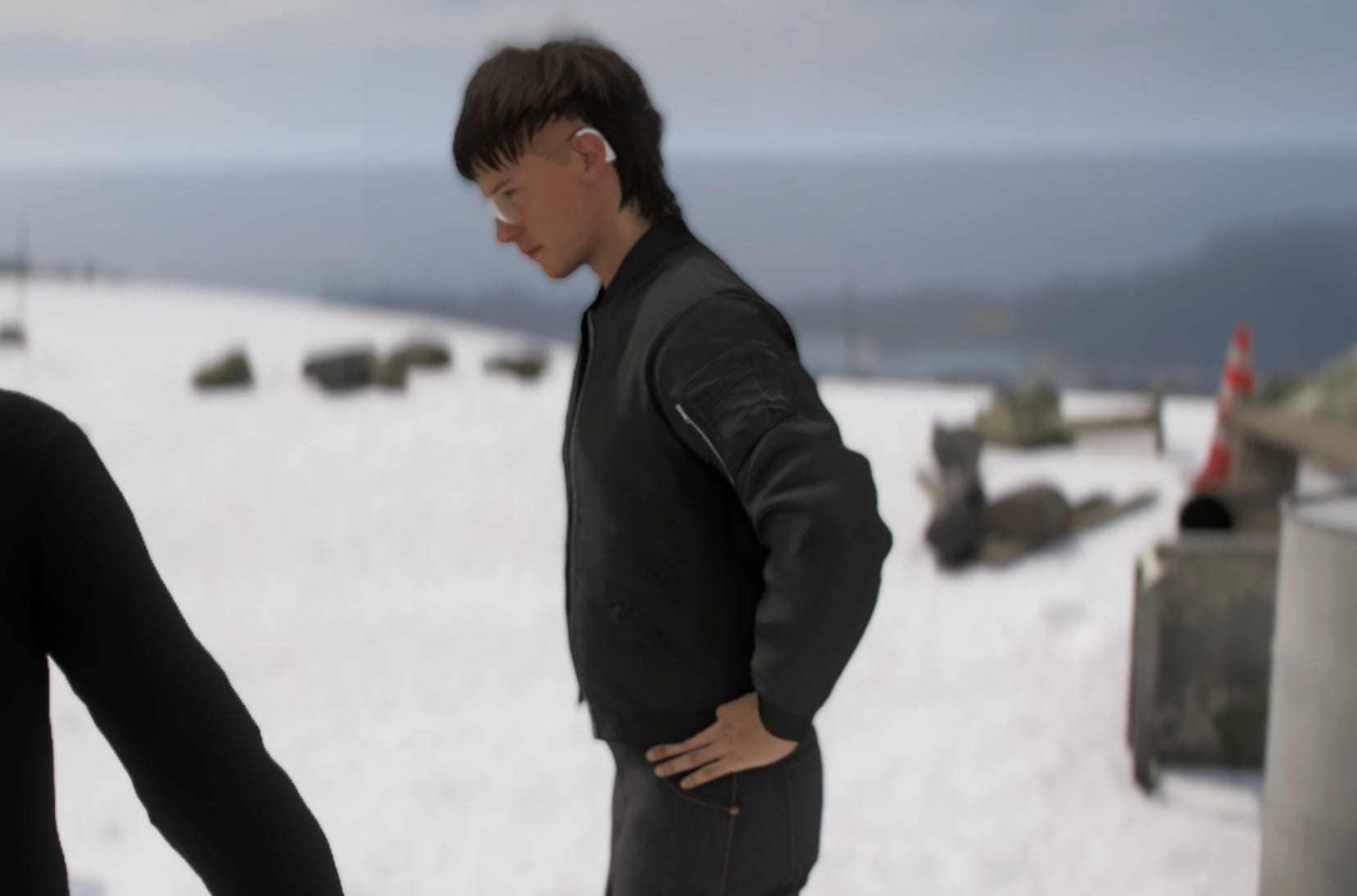
A lot of what I don’t like about Forza Horizon 6 comes down not to its gorgeous rendering of Japan’s various biomes, but to the visual design meant to bring the rest of it to life. The smashable Regional Mascots littering the map are minimum-viable chibi approximations that look like assets ripped from a mobile game. They do nothing to evoke Japan’s rich mascot culture — a cursory look at the Mondo Mascots Twitter account would give you an idea of how deep this rabbit hole goes. There’s also barely any fashion or streetwear to play with, and the parking lot meet-ups are sterile — they’re not exactly capturing the ‘Lewis Hamilton at Daikoku’ spirit. At least your custom character can have hearing aids, though — as the victim of a particularly nasty SSNHL, I’ve always massively appreciated that.
Deja Vu! I've Just Been In This Place Before!
A light in the darkness are the Touge racing missions, tense cat-and-mouse battles in the mountains that evoke the legendary anime Initial D. On higher difficulties, they are seriously thrilling and desperate for some Eurobeat, owing to the inarguably great driving experience Playground has curated. This indicates that the studio could create something more culturally connected and antagonistic, like prime Need For Speed, if they wanted to, but this series is perennially held back by a worn-out 2010s festival framing that leaves no room for grit. Everything is awesome, all the time, and by the way, we’re just so proud of you for doing your best! Please, give me a break…
The tourist board side of the game provides stories to follow that aren’t too bad in concept, and you learn some fun facts on the day trips. But soon you realise you’re just driving, and not often in the car you want to, in a laid-back fashion that is just so much worse than careening through the open world without any barriers, or taking part in a proper race that you’ve tuned your car for.
I’d rather have an audio-visual overlay that teaches me about what I’m looking at or where I’ve ended up in Japan, rather than these dull character-led excursions that cloy after a few minutes. Ultimately, Forza Horizon 6 is at its very best when it’s feeling really ambient — you can get into a wonderfully exciting patch of momentum if you string together some road and dirt racing between hunts for Speed Traps and Danger Signs, the mini activities that require astute car choices and death-defying trigger discipline.
Dude, Where’s My CaRPG?
The most enjoyable missions in Forza Horizon 6 are the showcase events, naturally — and it’s here where Playground Games has upped the ante, to the point where they start feeling like levels from Sonic Adventure. The first one has the classic cargo planes overhead, the rainbow bunting and Harrier smoke. Snooze button. But then you’re racing a not-Gundam, or chasing a rocket launch while you try to hit your sectors. Like the colossus events at the end of the game when you reach Legend Island, I was most keen to replay these missions due to the levelled-up pomp and challenge. At some points, I was half expecting a dolphin to fly over my head, or a truck to start chasing me down a hill as the bass line from Crush 40’s Escape From The City arrived in the mix.
Either way, though, there’s only so much you can do with isolated missions, and you’ve got to find something to hang onto beyond the jangling of virtual keys. I’ve long believed that the worst thing about the Forza Horizon games is the lack of progression, and 6 does little to address this problem.
From the jump, I was fleeced with a bunch of supercars and best-in-class vehicles that let me easily smoke my competition, and you can quite easily afford the necessary upgrades or car costs to max out a performance class and ace a race once you reach it. The lack of friction is what bothers me most — capitalism makes everything so smooth, doesn’t it? As you work through the game, you’re constantly unlocking wheelspins and super wheelspins, grimy-feeling slot machines that have the chance to provide you with lump-sums of credits and new, insanely-powerful vehicles to add to your heaving toybox.
It’s accessible, sure, but it also trivialises the process of getting better at the game — for the most part, you don’t actually need to. I want to have a relationship with my car (steady on). But seriously, though — I grew attached to a Mitsubishi Lancer in the early game, started tweaking it, but then I either couldn’t use it in the missions, or it wasn’t good enough to compete in the missions I was forced into to progress, and I had to buy something else. At least Gran Turismo lets me try… Japan has such a meticulously focused car culture, so for Forza Horizon 6 to make me fail to care deeply about any of its vehicles as they followed me on my journey… it left me with a sour feeling.
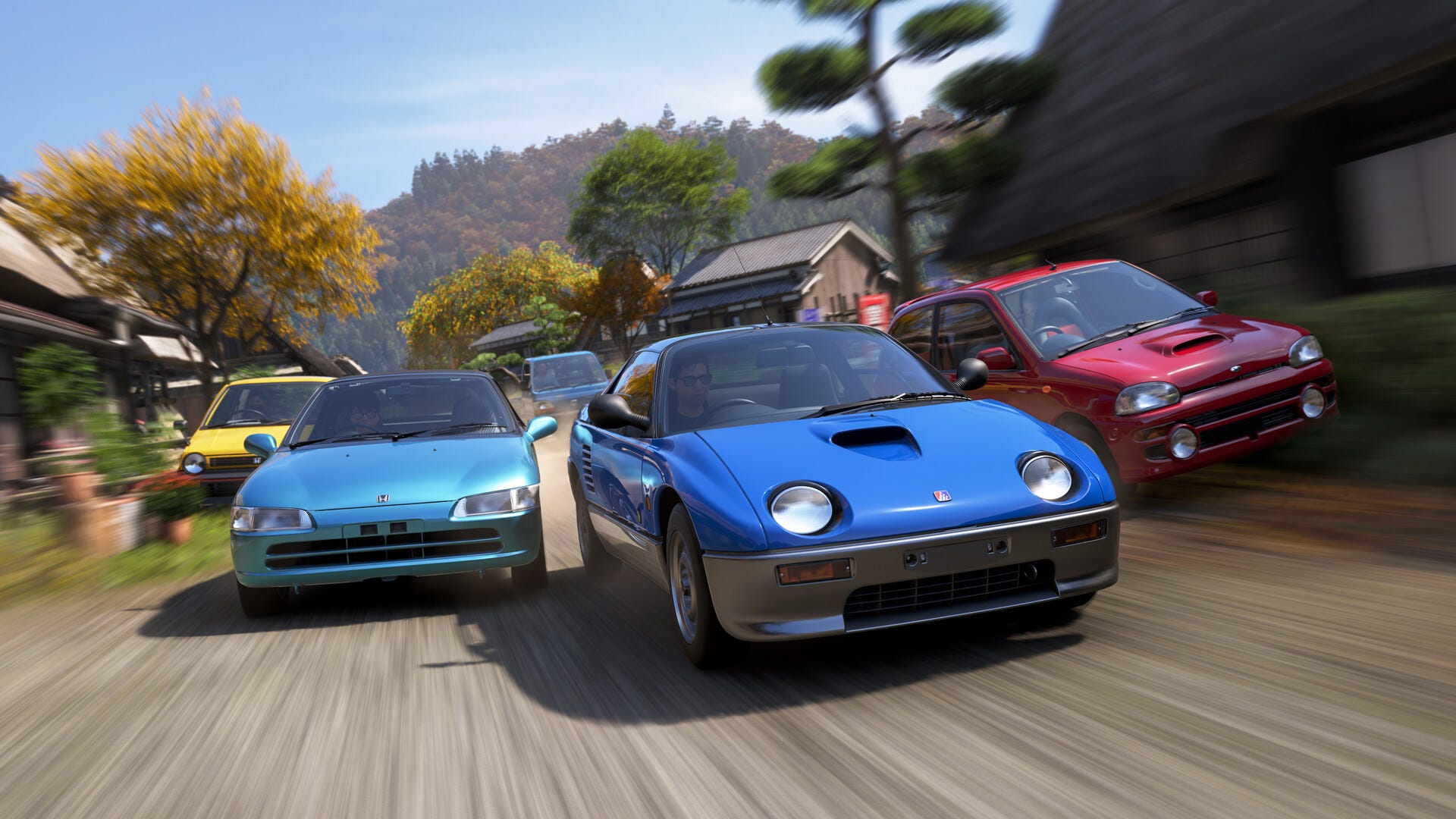
Don’t get me wrong, the online livery database is fun to play with, as is the new Treasure Car system, where you’re given photographic hints that task you with finding nostalgic, unique vehicles in the wild. That’s a way to make ownership feel slightly interesting. But it’s just another drop in your heaving bucket of toys, and it still just feels so meaningless in the grand scope of the game. Because the meat and potatoes of Horizon is driving around the open-world, you inevitably end up wanting an all-purpose vehicle you can whip through the snow, gravel and tarmac without too much pressure — and by that point, you’ve probably got fast-travel unlocked for the whole map anyway. Forza Horizon 6 does a good job of being action-packed enough that you don’t seriously dwell on this stuff until the very end, but it’s still a major issue plaguing the last few games, regardless.
The Verdict
Forza Horizon remains the definitive open-world arcade racing game on PC & console, thanks to the sixth game’s peerless scale, killer graphics, and mechanically intricate driving experience. But make no mistake, this series is in cruise control. The progression is dull, the set dressing is dated, and it doesn’t do much with Japan's rich car culture, or the metropolitan majesty of Tokyo City. Alas, with no serious competition to speak of outside of passion projects in the indie space, Forza Horizon 6 comfortably rests on its laurels and succeeds anyway. You can’t go wrong with it, but it could certainly be a lot better.